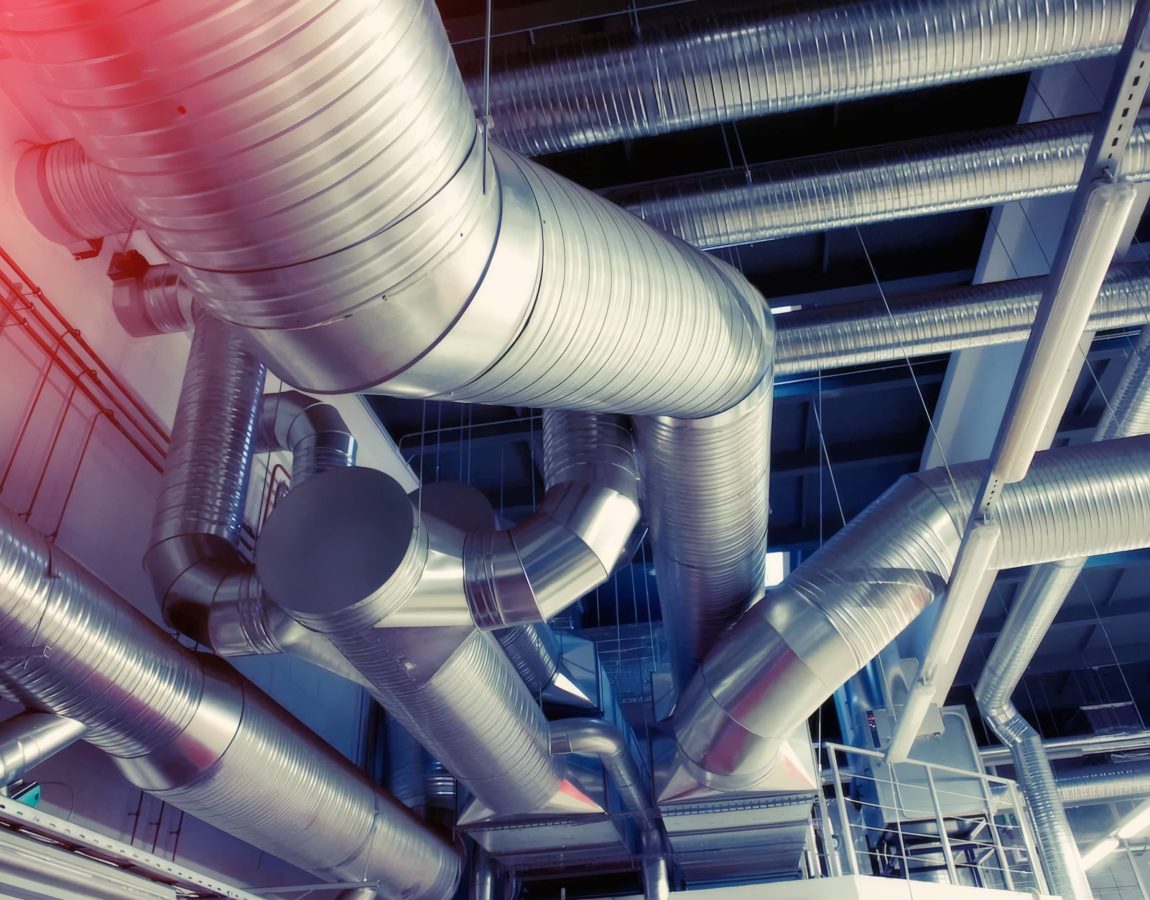
BS9999:2017 provides best practice framework for Fire safety and includes standards for the definition, maintenance and testing of Fire Dampers. It states that “All fire dampers should be tested by a competent person at regular intervals not exceeding one year, and to be repaired or replaced immediately if found to be faulty”.
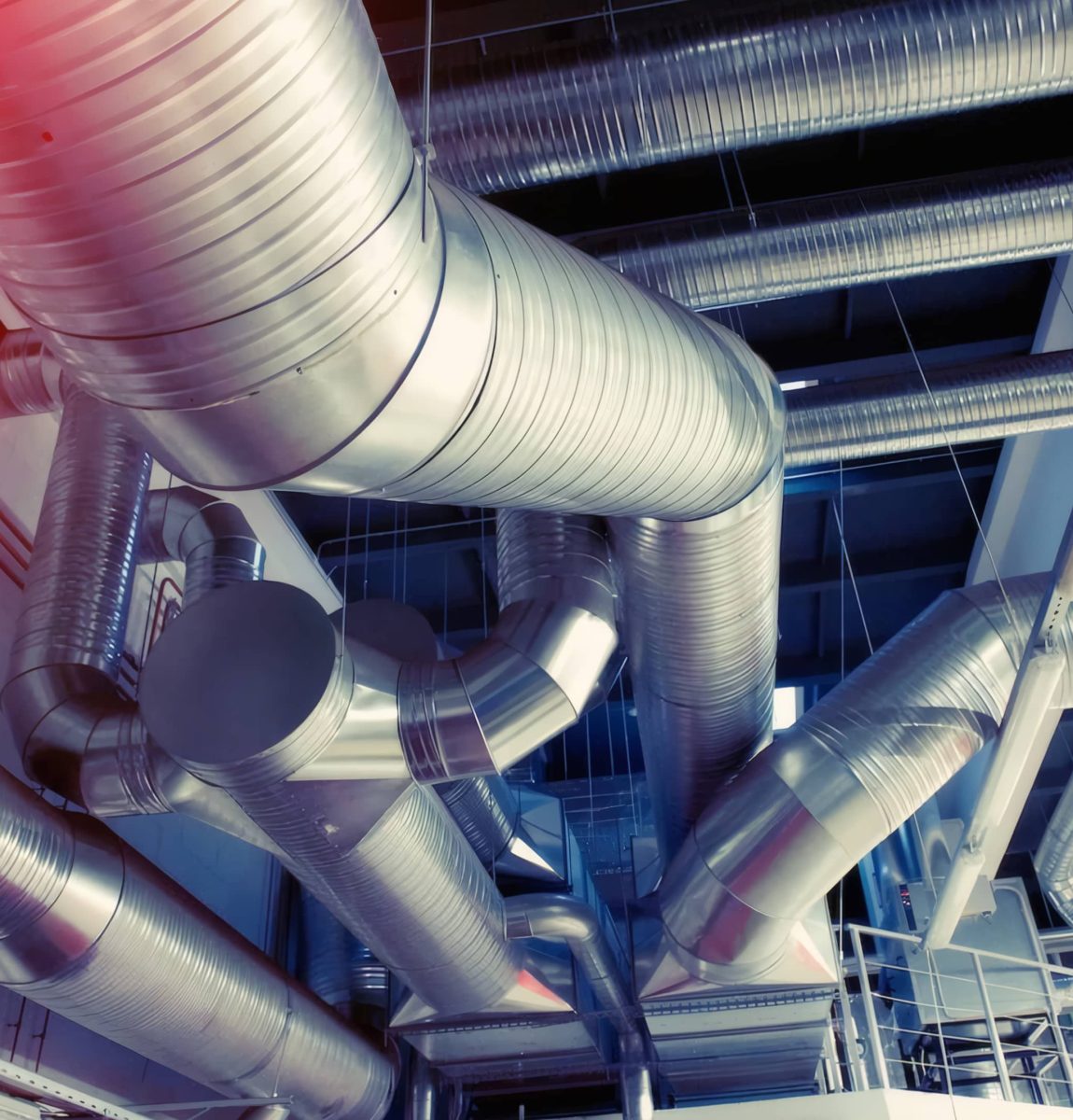
A fire damper is built in to the Ventilation system and is designed to shut off the route through which fire can spread through the ducting, between fire compartments.
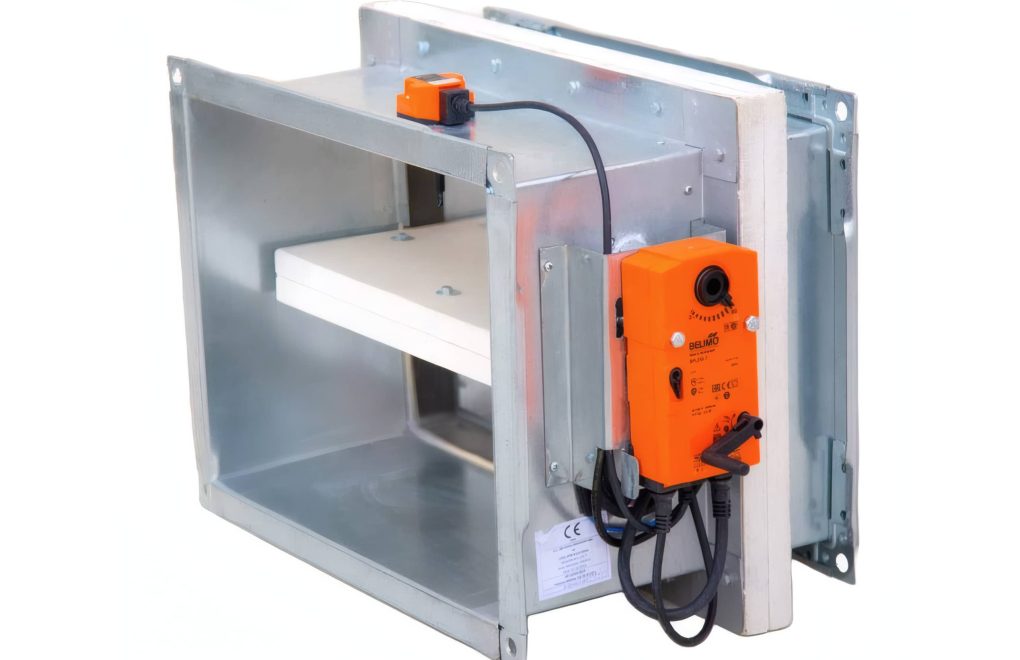
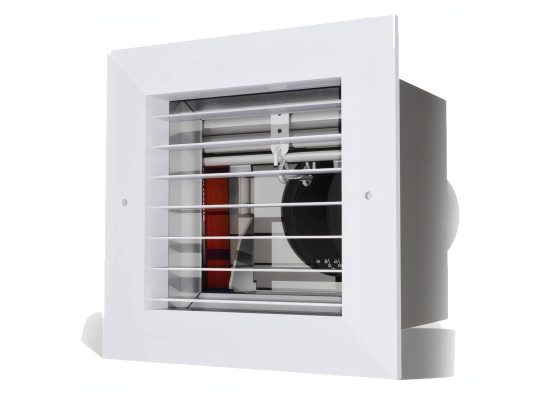
Fire dampers come in a variety of shapes and sizes. Mainly they are spring loaded and manual, however there are plenty of more modern examples that are electronically controlled and integrated in to the Building Management System (BMS).
BESA VH001 is considered one of the best publications on the subject, and we follow their guidelines when providing Testing, Inspection and Maintenance of Fire Dampers.
We see many clients coming to us as Fire Safety is becoming more thought about following the tragic events of Grenfell. Often Building Managers have no previous history or drawings for us to go from. If the site has multiple locations we will always recommend that the starting point is a Survey of the Fire Damper Assets. This can then be used to complete the testing.
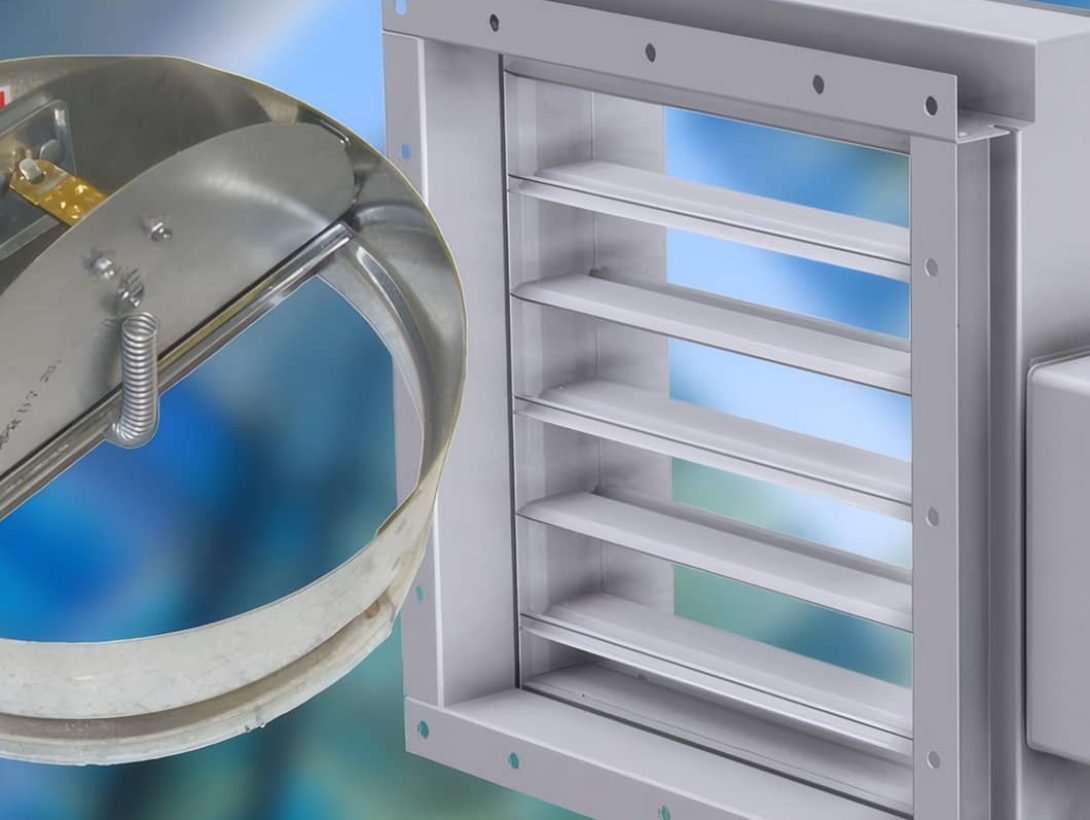
There are many regulations that govern the use, location, setting, design, maintenance and testing of fire dampers. These include BESA DW/144 Sheet Metail Ductwork, DW/145 Installation of Fire & Smoke Dampers, TR19 and TR19 Grease for cleanliness, HTM 03:01 Heating and Ventilation, HTM 05:01 Healthcare fire safety.
Testing and Maintenance will cover the following (and inline with manufacturer guidelines where available):
Once testing has been completed, a report will be compiled using the following as a guide:-