Maintaining good quality ventilation within a building is every bit as important as maintaining water quality yet perhaps because we cant see air/take it for granted, the focus on the air that we breathe isn’t the same as it is for water we digest. Landlords and employers are legally obliged to provide healthy working environments and the recent Covid pandemic has further emphasised the need for improvement in ventilation standards.
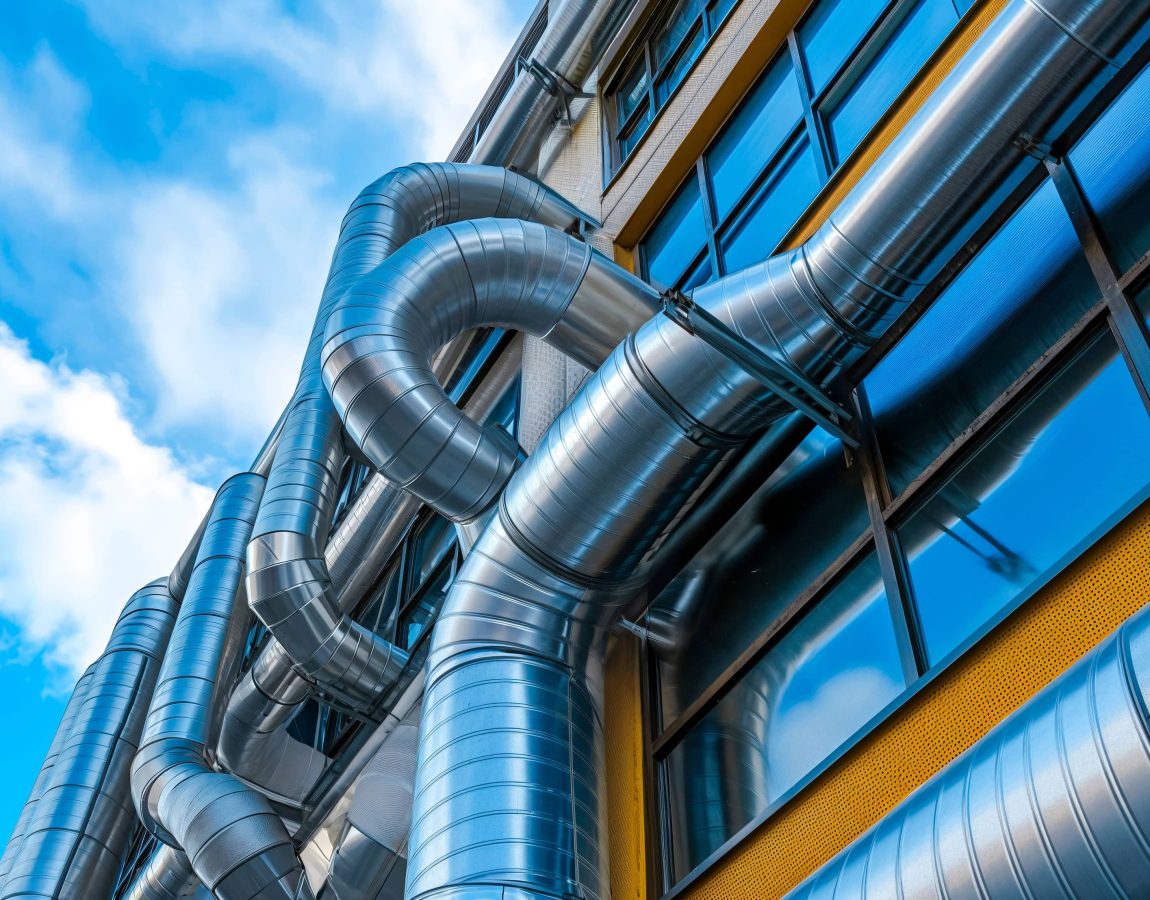
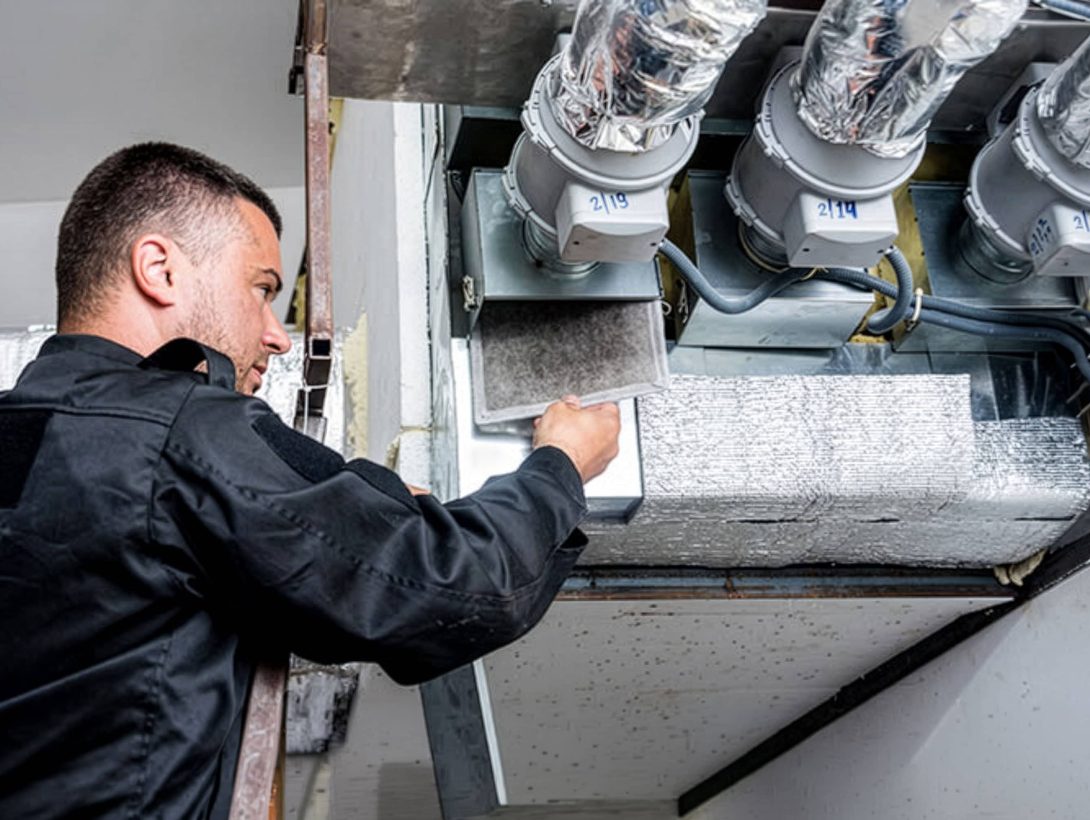
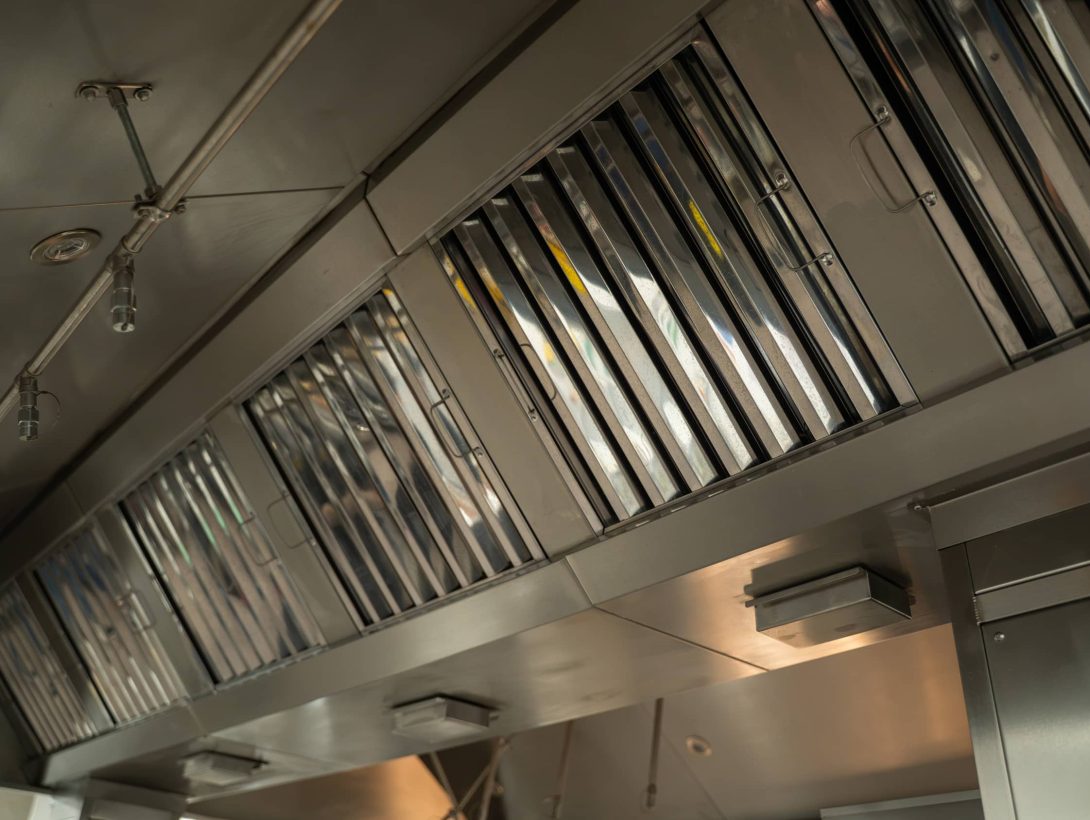
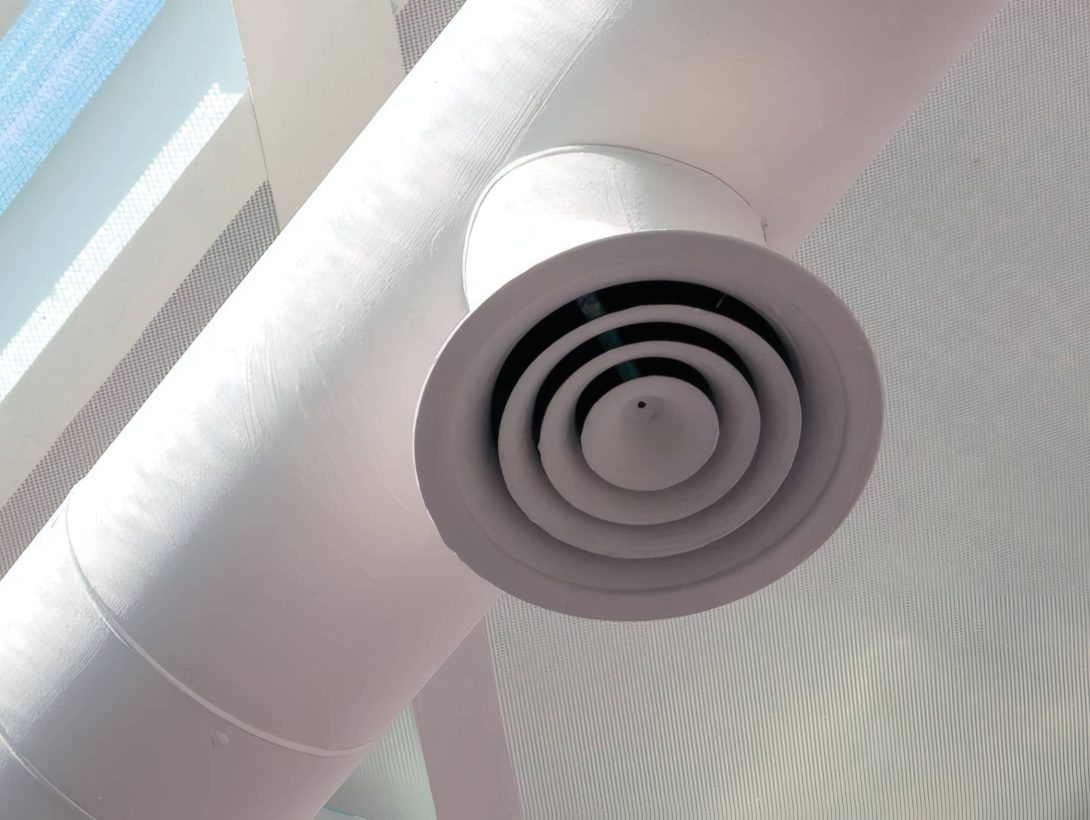
Air hygiene is, in plain terms, keeping your ventilation clean enough to be safe and being able to prove it. The work spans supply and extract ductwork, air handling units, fans, coils and the extract systems above commercial kitchens, and it’s framed by two BESA standards: TR19® Air for general ventilation and TR19® Grease for kitchen extract.
What’s at stake becomes obvious when systems are left too long. Grease accumulating in kitchen extract is a leading cause of commercial fires. Dust and debris in general ductwork harbour bacteria and dull the air people breathe. And a clogged system forces fans to work harder, choking airflow and quietly inflating energy bills.
Air hygiene addresses each of these and documents that it has.
Keeping ventilation clean is a legal duty, not an optional extra, and several rules say so. Regulation 6 of the Workplace (Health, Safety and Welfare) Regulations 1992 requires enclosed workplaces to be properly ventilated. COSHH governs local exhaust ventilation; and the Regulatory Reform (Fire Safety) Order 2005 makes grease-laden ductwork a fire risk the responsible person has to manage.
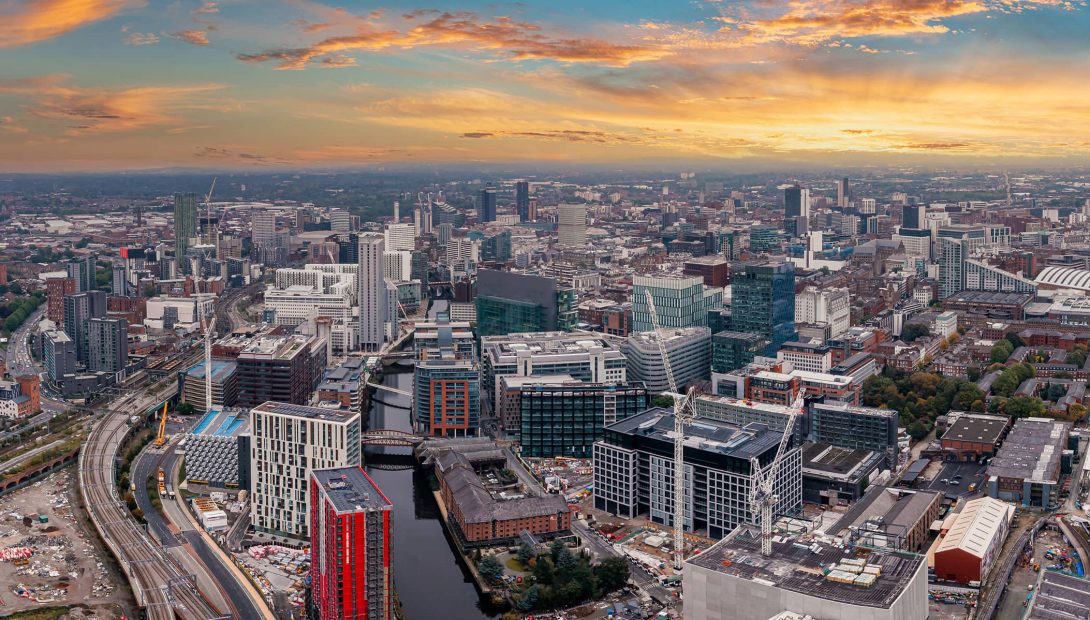
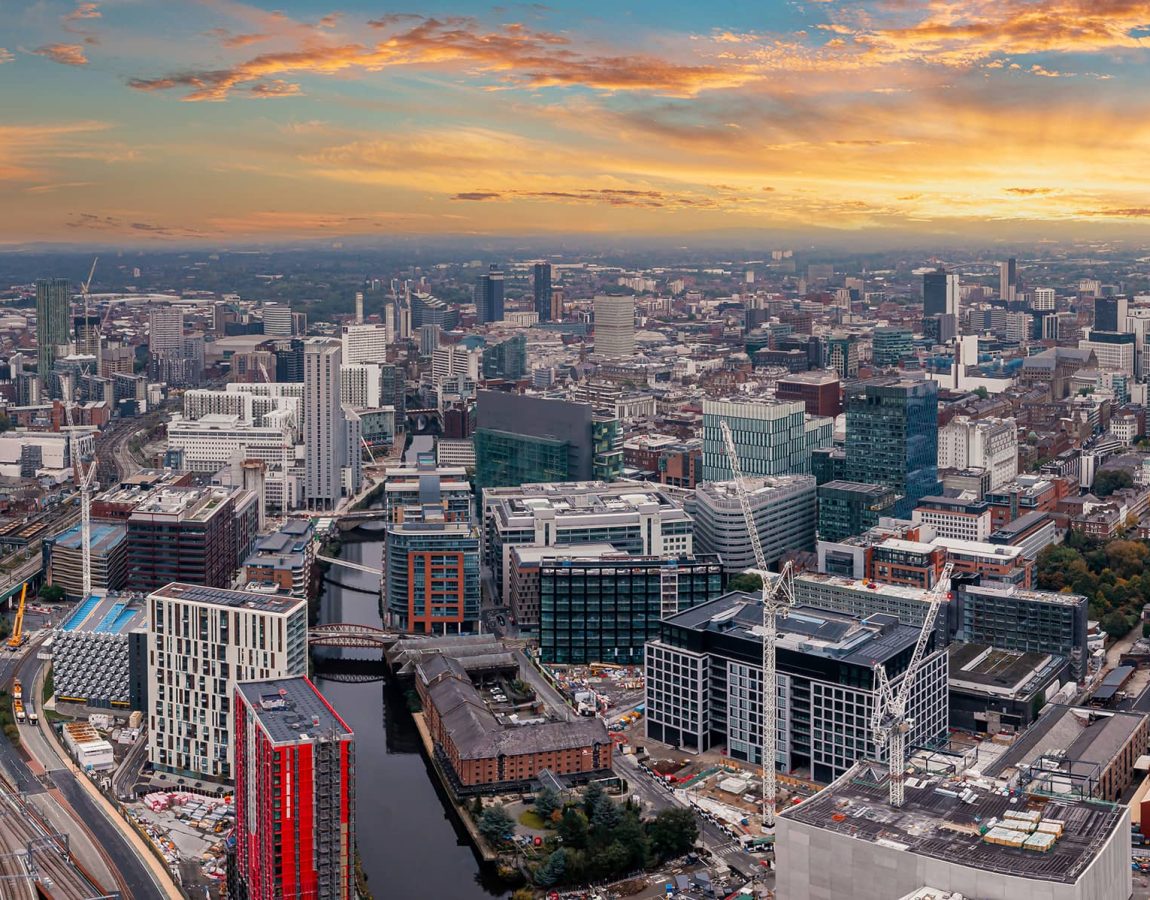
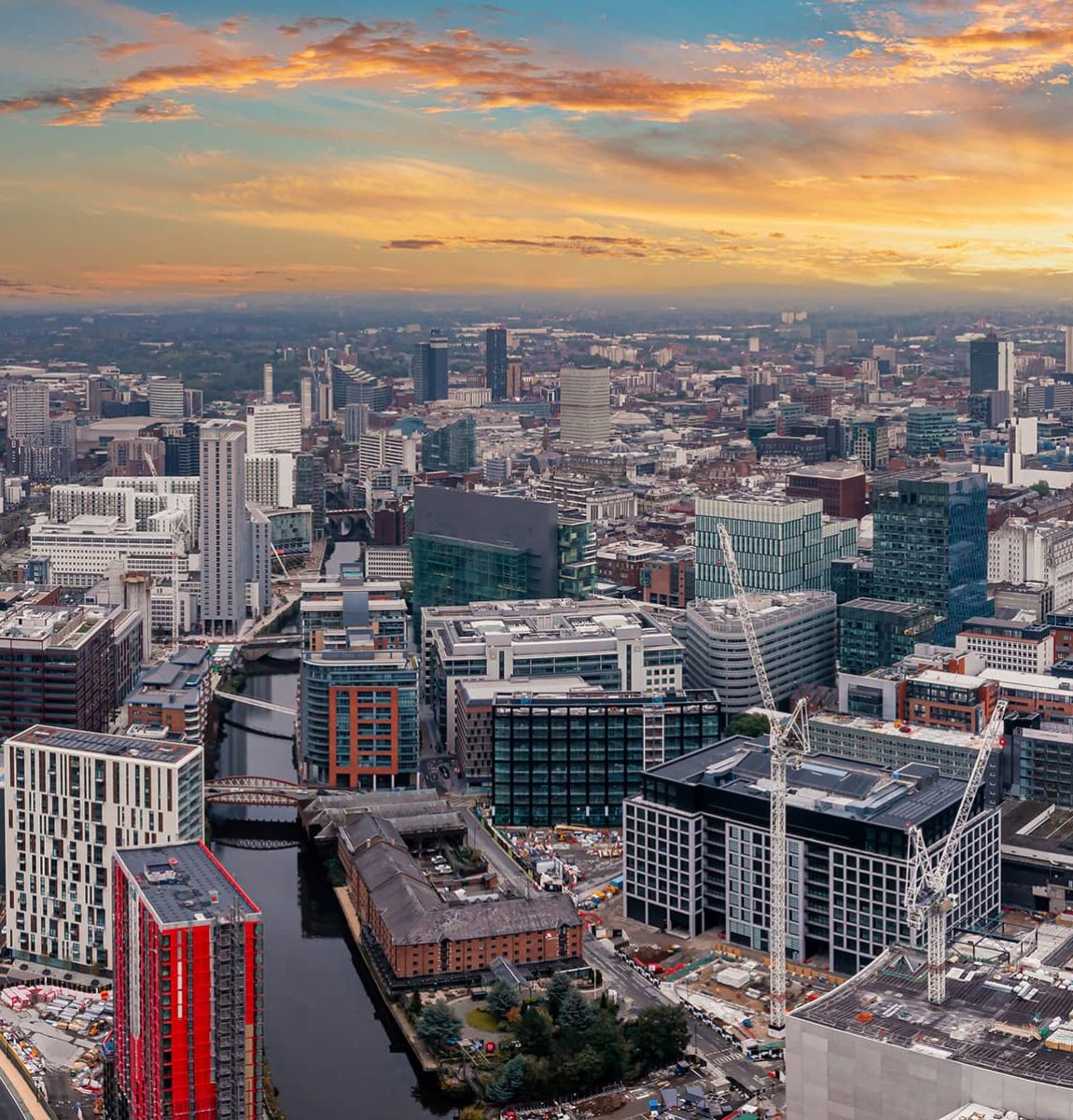
That pulls a lot of Manchester premises into scope. The commercial kitchens behind the city’s hotels and restaurants need their extractors cleaned on a schedule. Leisure centres and swimming pool plant rooms, humid and hard-working, need careful ventilation and hygiene. Hospitals carry the extra weight of HTM 03-01, while schools, offices and the manufacturing and logistics sites across Greater Manchester all depend on clean, well-maintained systems.
There’s a commercial push too. Insurers increasingly want proof of TR19-compliant cleaning before they’ll pay out, especially on kitchen extract.
The framework here is well defined. At its centre sit two BESA standards, TR19® Air (2024) for general ventilation and TR19® Grease for kitchen extract, supported by HTM 03-01 in healthcare settings, BS EN 15780 for ductwork cleanliness and DW/144 for ductwork construction, with the Workplace Regulations 1992, the Fire Safety Order 2005 and COSHH (for LEV) forming the legal backdrop.
TR19® Air grades systems by occupancy, Low, Medium or High, which sets how clean they must be kept and how often they’re checked. TR19® Grease ties cleaning frequency to kitchen use, from light through medium to heavy.
Once we’ve cleaned, post-clean verification testing (PVT) confirms grease has dropped below 0.3 g/m², and we issue the certificate your records, auditors and insurer will want.
The process is built to be thorough without taking your building offline.
We deliver the whole scope in-house, so there’s no juggling separate contractors, and because much of this work is least disruptive in the evenings or at weekends, out-of-hours working is routine. From our city-centre base we mobilise quickly across Manchester.
Behind every clean is a team with the depth to resource it properly thanks to more than 90 years of combined experience, over 60 specialists and four UK offices, equally at home with a single kitchen clean and a rolling, estate-wide programme.
The accreditations back that up as we’re a BESA member and NAAD-accredited, with UKAS, BSRIA, SafeContractor, CSCS and ARMA behind us, so the certificates we issue stand up with auditors and insurers. As part of the Celnor Group, we can fold in wider compliance work including water, air and fire safety, when a building needs it.
And our Northern Regional Office gives Manchester a local team and a quick response.
Northern Regional Office: Neo Bruntwood SciTech, 1st Floor, 9 Charlotte Street, Manchester, M1 4ET. For enquiries, call 01606 597 074.

As part of our commitment to providing the best possible levels of service we embrace the knowledge bases that are available to us which is why we are members of numerous industry bodies including The National Association of Air Duct Specialists (NAAD). Please click below to view our certificate of membership’
Our city-centre office keeps our air hygiene teams within easy reach of the whole region. We’re regularly on sites across Manchester city centre, Salford, Trafford and Stockport, north through Bolton, Oldham, Rochdale and Bury, and across to Tameside, Wigan and Altrincham, and from there into Cheshire, Lancashire and Merseyside. Hospitality kitchens, leisure facilities and the offices and labs of the science and tech estate account for a good share of the work. If your premises sit beyond the towns listed here, just ask – we regularly travel further for the right project.
It comes down to how hard the kitchen works. TR19® Grease sets the benchmark. For heavy use (roughly more than 12 hours a day) points to cleaning about every three months, medium use around every six months, and light use annually, with the goal being to keep grease below the level where it becomes a fire hazard. We’ll survey your extract and recommend an interval that satisfies both TR19® and your insurer.
TR19® is an industry standard rather than a law in its own right, but meeting it is how you evidence your legal duties. The Fire Safety Order 2005 requires the responsible person to control fire risk, grease-laden ductwork being a clear example – and the Workplace Regulations require adequate ventilation. TR19® is the recognised way to show both are handled, which is why insurers and enforcing officers look for it.
Yes. Every clean ends with post-clean verification and a certificate confirming the system meets the relevant TR19® standard, backed by before-and-after photographs. That’s the documentation insurers typically ask for, particularly on kitchen extract, and it slots straight into your compliance records. We keep it clear enough to file or forward without deciphering.
As a rule, yes. Much of our extract cleaning, duct cleaning in occupied offices, and plant-room work goes best when the space is quiet, so we schedule evenings, overnights and weekends to keep kitchens, workplaces and leisure venues running. Timings are agreed with you upfront as part of the programme.
We do. The scope runs well past ductwork. We clean air handling units, fans and coils, inspect and test fire dampers, and service local exhaust ventilation (LEV). Keeping the full range in-house gives you one point of contact and a single coordinated programme, rather than several contractors on different schedules.
Price tracks the size and complexity of the system, its condition and the access involved, so we quote each job after a free survey. A small office extract is a very different prospect from a large hotel kitchen or a multi-storey network. The survey costs nothing and lets us give you an accurate, no-obligation figure. Call 01606 597 074.