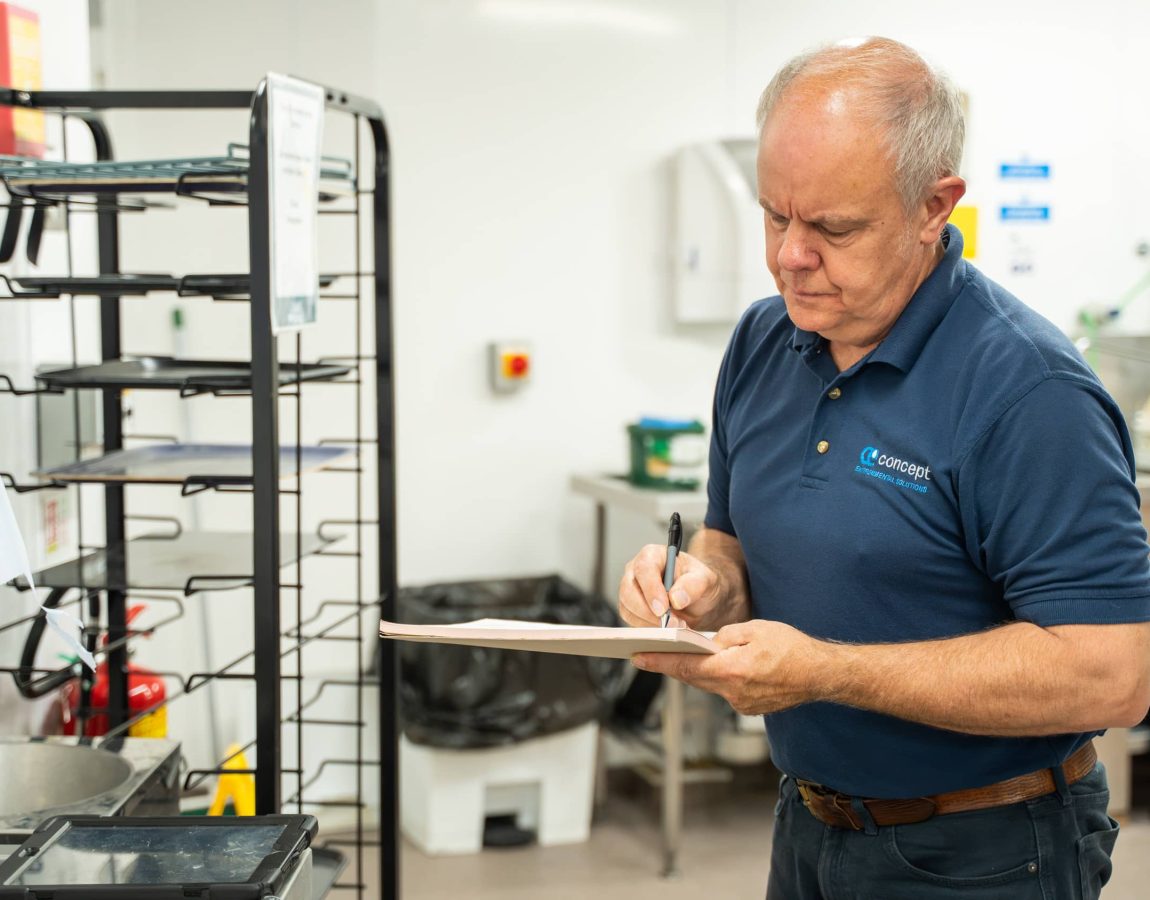
Legionnaires Disease is a sometimes fatal form of Pneumonia that is contracted from inhaling contaminated water droplets.
As well as being a risk to health it also poses a considerable risk to the reputation of businesses that are associated with an outbreak. With the right polices and procedures in place the risks to you, those around you and your business can be kept to a minimum.


Legionellosis is a collective term for diseases caused by legionella bacteria including the most serious Legionnaires’ disease, as well as the similar but less serious conditions of Pontiac fever and Lochgoilhead fever. Legionnaires’ disease is a potentially fatal form of pneumonia and everyone is susceptible to infection. The risk increases with age but some people are at higher risk including:
The bacterium Legionella pneumophila and related bacteria are common in natural water sources such as rivers, lakes and reservoirs, but usually in low numbers. They may also be found in purpose-built water systems such as cooling towers, evaporative condensers, hot and cold water systems and spa pools.
If conditions are favourable, the bacteria may grow increasing the risks of Legionnaires’ disease and it is therefore important to control the risks by introducing appropriate measures outlined in Legionnaires’ disease – The Control of Legionella bacteria in water systems.
Legionella bacteria are widespread in natural water systems, e.g. rivers and ponds. However, the conditions are rarely right for people to catch the disease from these sources. Outbreaks of the illness occur from exposure to legionella growing in purpose-built systems where water is maintained at a temperature high enough to encourage growth, e.g. cooling towers, evaporative condensers, hot and cold water systems and spa pools used in all sorts of premises (work and domestic).
People contract Legionnaires’ disease by inhaling small droplets of water (aerosols), suspended in the air, containing the bacteria. Certain conditions increase the risk from legionella if:

It is a statutory requirement under the HSE ACoP L8 that every premises should have a legionella risk assessment carried out. This assessment should identify any such risks and recommend means of reducing, managing or eliminating the risk completely. In addition to this, the document will assess current management roles and responsibilities and advise accordingly. The risk assessment should then be reviewed on a regular basis (usually every two years) or under specific circumstances, and because legionella risk assessments are critical documents, they should only be undertaken by suitably trained and experienced staff.
Every building, no matter how big, how small, how simple, or how complex, will require some sort of control programme to satisfy HSG274. Following the risk assessment, a control scheme will be implemented to manage any ongoing legionella susceptible items of plant and associated services, and Concept specialise in tailoring packages for all types of businesses. We are duty bound to recommend control measures that ensure compliance, however we appreciate that budgets often play a part in customer decisions, and we pride ourselves on being able to offer different solutions for different needs.

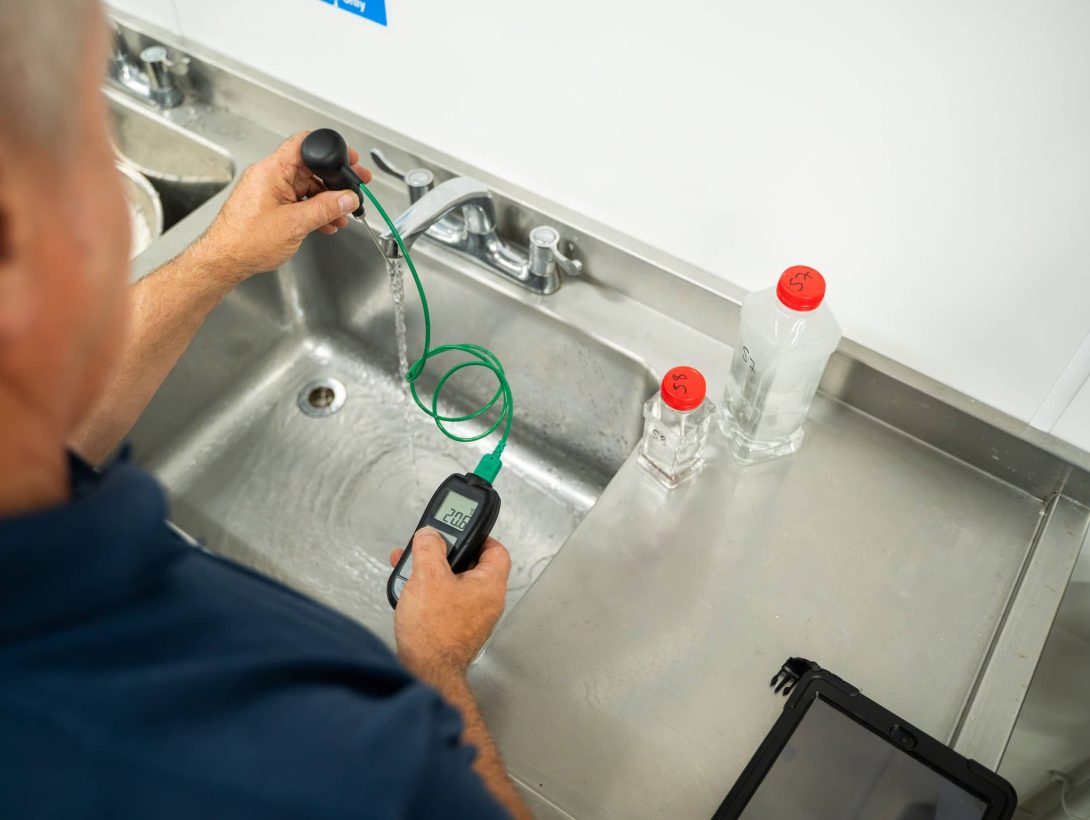
Allied with our service partners, we are able to offer a broad range of analytical services, and water analysis in particular is extremely broad ranging, with recommending the right analysis for any given situation or system being key to managing the quality of water, be it potable or process. Certain analysis must be done under UKAS conditions and therefore by UKAS accredited laboratories, however there is a wealth of analysis that can be done “in the field”, and Concept will ensure that we provide you with analysis that suits your requirements and ensure that collectively we are compliant with industry standards.
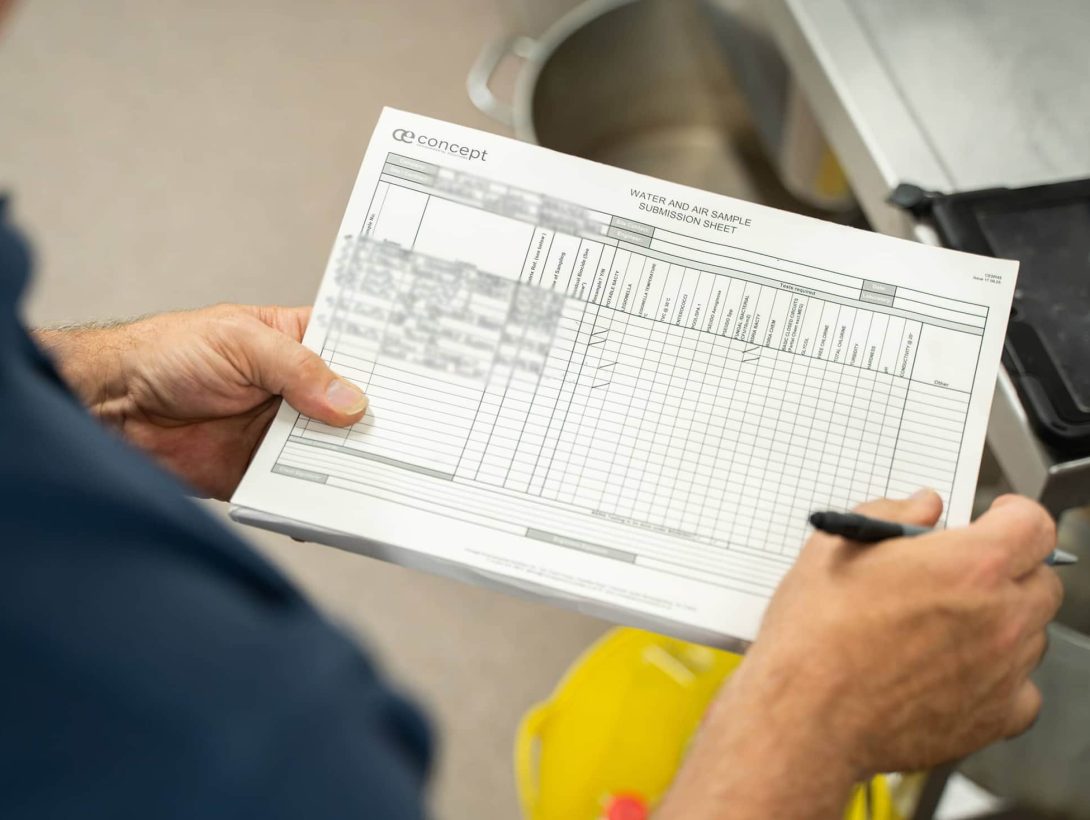
Concept can provide not only traditional “hard copy” log books but also electronic log books tailored to your site, and a well maintained, well organised log book makes any HSE audit easy and transparent, showing that your business takes health and safety seriously. As an environmentally friendly company, we promote electronic record keeping wherever possible, and the key benefit is that control programmes can be remotely audited, which is particularly useful for managers responsible for multiple properties, saving them the time and cost of visiting each site.
Everyone loves a ‘lightbulb moment’ and at Concept our aim is to come up with the ideas and the solutions so that our clients can focus on other areas in the knowledge that what we are doing is having a positive effect.