
24/7 water temperature monitoring to support Legionella compliance, reduce risk and improve water safety management.
Take control of your water safety compliance with Concept Environmental Solutions’ Remote Water Monitoring service.
Our intelligent monitoring technology provides continuous, real-time visibility of your water systems, helping you identify potential issues earlier, reduce manual monitoring requirements and maintain accurate digital compliance records.
By replacing routine manual temperature checks with automated monitoring, we help businesses save time, reduce operational costs, and minimise disruption, while supporting compliance with ACOP L8, HSG274 and water safety management requirements.
Remote Water Monitoring is an automated approach to monitoring water system temperatures, providing continuous data without the need for frequent manual readings.
Traditional water temperature monitoring often involves regular site visits, manual checks and time-consuming record keeping. Our remote monitoring solution uses installed sensors to collect temperature data continuously, giving facilities managers, building owners and responsible persons greater visibility and control over their water systems.
With 24/7 monitoring, automated alerts and comprehensive digital reporting, you can identify temperature fluctuations and potential compliance concerns before they develop into more significant problems.
Our technology provides a smarter, more efficient approach to water safety management, helping you protect building occupants while reducing the time and resources required for routine monitoring.
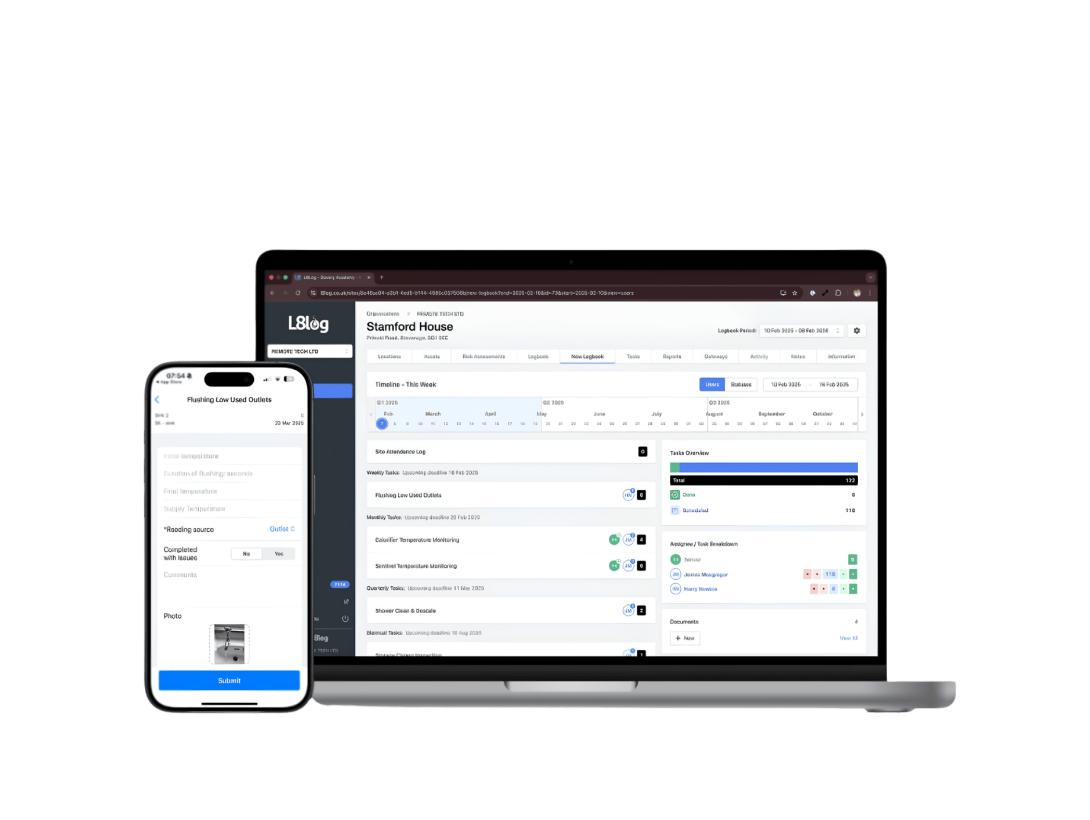
Our Remote Water Monitoring service combines intelligent sensor technology with digital reporting to provide a clear, reliable picture of your water system performance.
1. Installation of monitoring sensors
Our team installs remote monitoring sensors at appropriate locations within your water system, allowing temperatures to be monitored continuously without the need for repeated manual checks.
2. Continuous water temperature monitoring
Once installed, the sensors collect water temperature data 24 hours a day, 365 days a year, providing ongoing visibility of system performance.
3. Early identification of potential risks
Continuous monitoring helps identify unusual temperature readings and potential water safety concerns. Alerts enable issues to be investigated promptly, supporting proactive risk management.
4. Digital compliance records and reporting
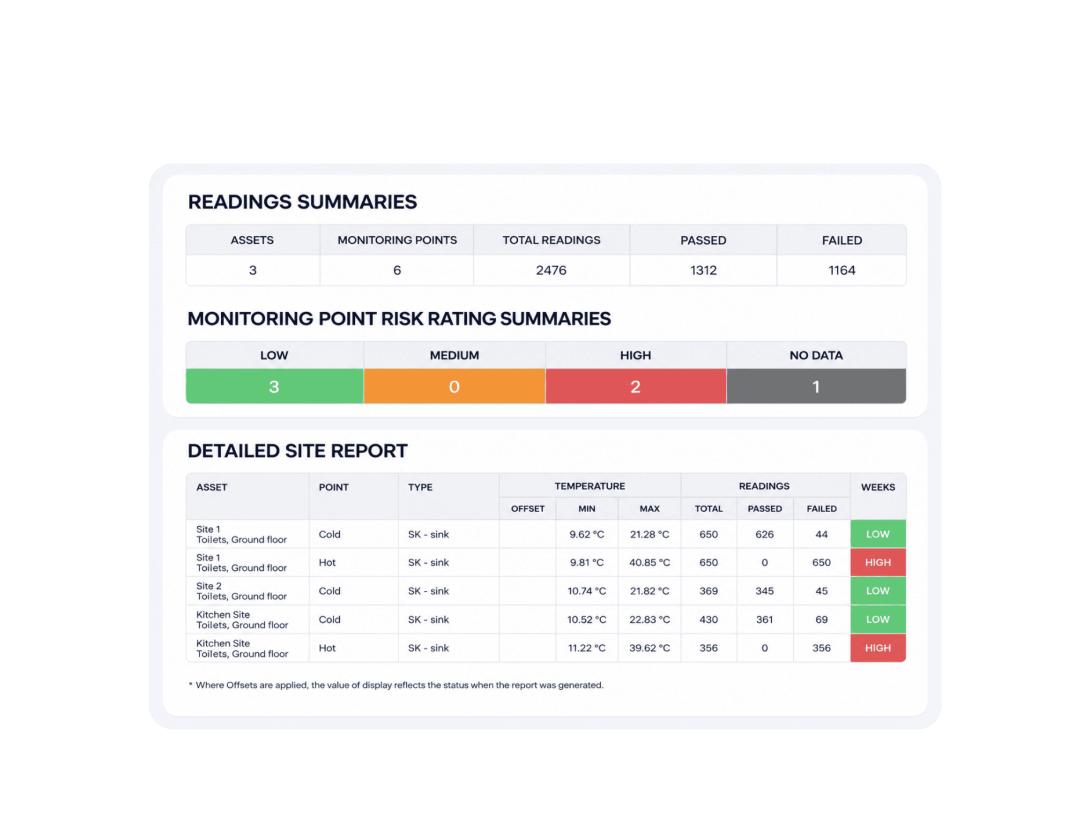
Monitoring data is captured digitally, providing a clear record of temperature readings, risk ratings and monitoring activity.
Detailed reports help demonstrate monitoring performance, highlight areas requiring attention and support water safety audits.
Our automated water monitoring technology offers significant operational, financial, and environmental benefits.
Effective water temperature monitoring is an important part of managing Legionella risks within building water systems.
The Health and Safety Executive’s Approved Code of Practice L8 (ACOP L8) and HSG274 guidance outline requirements and recommendations for managing Legionella risks, including appropriate monitoring and control measures.
Maintaining suitable water temperatures is an important consideration in controlling conditions that could encourage Legionella bacteria to grow.
Our Remote Water Monitoring service supports your Legionella risk management programme by providing:
By providing consistent, accessible monitoring data, our technology helps responsible persons and facilities management teams make informed decisions and demonstrate effective oversight of their water systems.
Remote monitoring supports, but does not replace, a suitable Legionella risk assessment, water safety management programme or other necessary inspection, maintenance, and control measures.
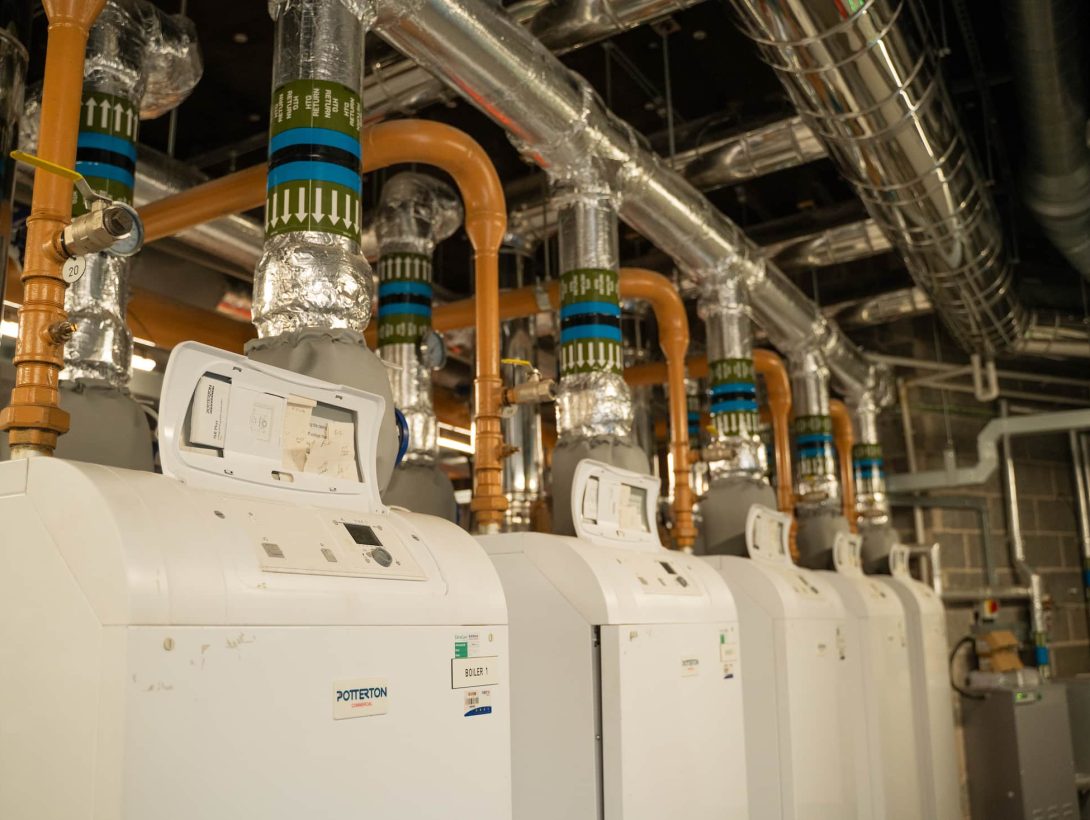
Our Remote Water Monitoring solutions can support organisations across a wide range of sectors, particularly those managing multiple buildings, complex water systems or locations where routine access can be challenging.
Remote water temperature monitoring uses installed sensors to automatically collect and record water temperature data. This allows organisations to monitor water system performance continuously without relying exclusively on manual temperature checks.
Yes. Remote monitoring provides continuous temperature data, alerts and digital records that can support Legionella risk management and compliance with ACOP L8 and HSG274 guidance. However, it should form part of a wider water safety management programme rather than replace other required control measures.
Remote monitoring can reduce the need for routine manual temperature readings at suitable monitoring points. However, the extent to which manual checks can be reduced depends on the building, water system, risk assessment and monitoring requirements.
Key benefits include continuous monitoring, earlier identification of potential issues, accurate digital records, fewer routine site visits, reduced administrative time and improved visibility of water system performance.
Remote monitoring can be particularly useful for organisations managing multiple buildings or property portfolios, helping facilities teams maintain more consistent oversight of water temperatures across their sites.
By reducing the need for routine monitoring visits, remote monitoring can help lower travel-related emissions. Better visibility of system performance can also support more targeted flushing and reduced water consumption.
Whether you manage a single building, a complex facility or a portfolio of properties, our Remote Water Monitoring service can help you take a more proactive, efficient approach to water safety compliance.
With continuous monitoring, early issue identification and comprehensive digital records, we can help you reduce disruption, improve operational efficiency, and gain greater confidence in your water safety management.

